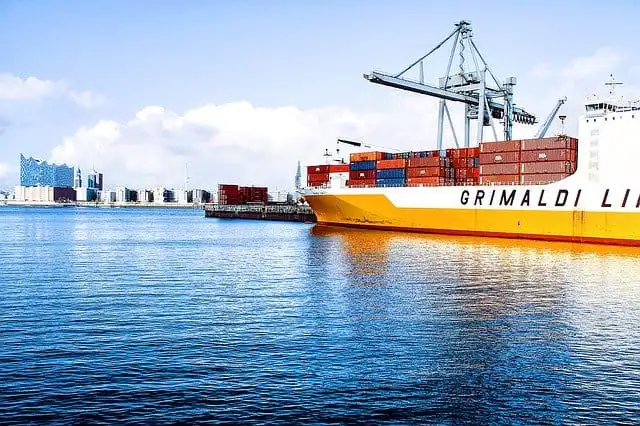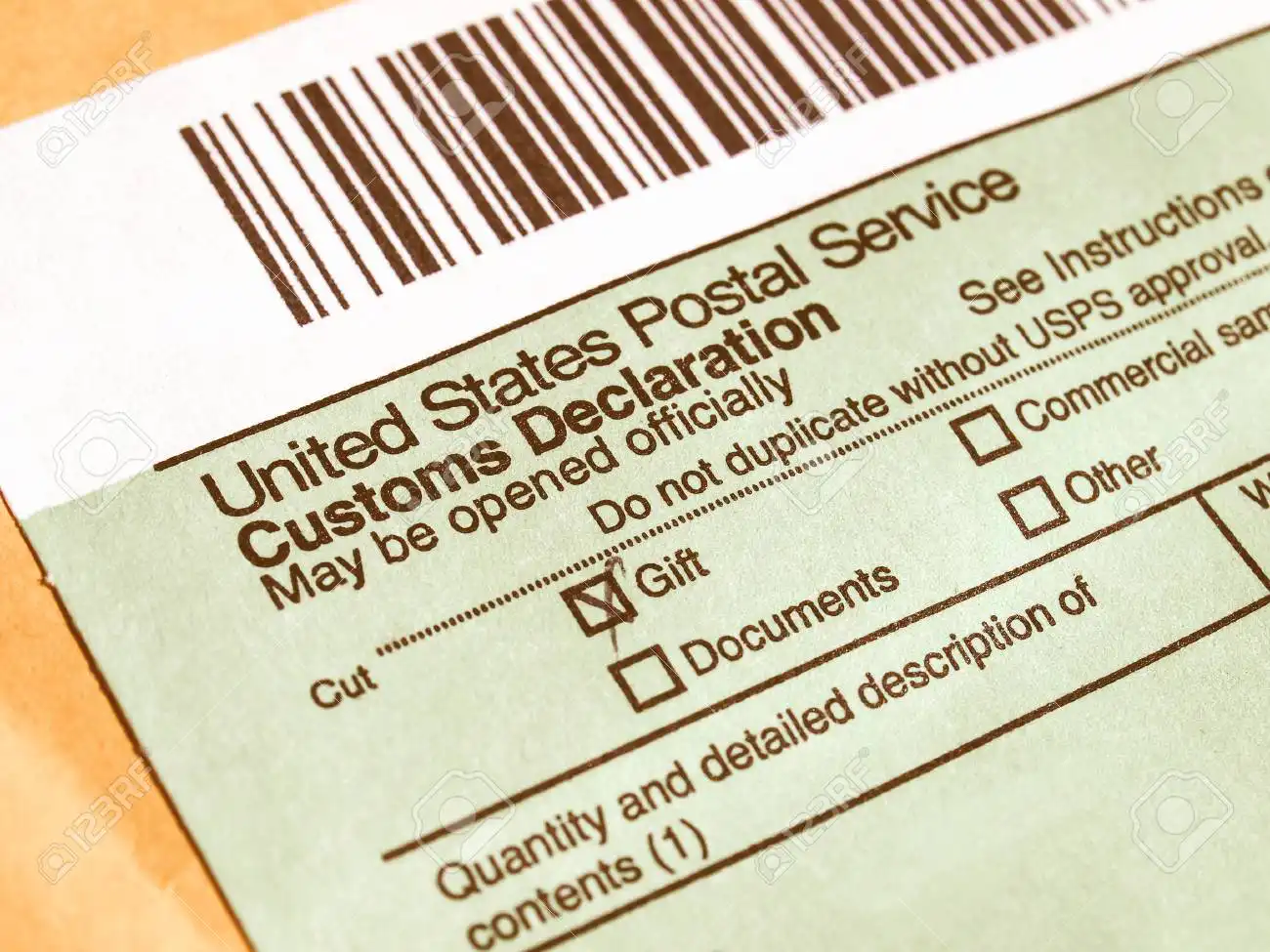

Choosing a customs broker is an important and complex step for companies planning to engage in foreign economic activity. Successful interaction with customs depends on the professionalism, experience, and level of responsibility of the broker. An incorrect choice can lead to delays, fines, and additional costs. We will cover the main criteria to consider when selecting a customs broker so that you can be confident in the smooth and secure handling of all customs operations.
Experience and Reputation
A customs broker with extensive experience is better equipped to navigate legislation, anticipate potential non-standard issues, and know how to avoid them. The broker’s reputation in the market also plays a vital role: companies with a good reputation strive to maintain their clients and provide high-quality services with attention to every order. Make sure to check how long the company has been in the market, which clients it works with, and read reviews.Licensing and Accreditation
A customs broker must have a license to conduct their activities. The presence of a license ensures that the company complies with all legal requirements and takes responsibility for its actions. The license is usually displayed on the broker’s website, and you can verify it on official customs portals. In addition to the license, it is helpful to know whether the broker is accredited by various agencies or chambers of commerce.Range of Services
It is best to choose a broker who offers a broad range of services. They should handle document processing, as well as provide comprehensive cargo support, assistance with certification, compliance checks, and consultations. Offering a wide array of services allows you to reduce the number of intermediaries, increase efficiency, and minimize costs.Understanding of Your Business Specifics
Not all customs brokers are equally effective when working with different types of cargo. For example, if you import food products or medical equipment, you need a broker with experience in these specific industries. A specialist familiar with your business’s specifics will be able to address issues faster and help avoid problems with documentation. Therefore, we recommend discussing the candidate’s experience with goods in your category.Technical Equipment and Process Automation
A high level of technical optimization is crucial, especially for businesses with frequent or urgent shipments. Modern customs brokers use specialized software to automate processes. This speeds up data processing, helps minimize errors, and reduces labor costs. Check whether the broker uses electronic systems for document submission and cargo tracking. This will impact the speed of processing.Transparency of Tariffs and Terms of Cooperation
Before signing a contract, inquire about the tariffs and payment terms for services. Some brokers may offer low prices, but ultimately include hidden fees for additional services. Evaluate how transparent the cooperation terms are and whether all details are specified in the contract. A good broker provides a clear price list and does not charge for services you did not request.Response Time and Availability
A customs broker must always be available in case of questions or urgent tasks. Choose a company that responds quickly to inquiries, can provide advice on relevant matters, and swiftly make changes to the processing procedure. Assess how fast they respond to requests and how communication with the broker is organized: via email, messaging apps, or phone.Availability of Liability Insurance
Customs operations carry risks, and a good broker should offer liability insurance. This means that in the case of an error or oversight by the broker, your losses will be compensated. Clarify which types of insurance the broker offers and how they are arranged to ensure the protection of your interests.Reviews and Recommendations
It is essential to familiarize yourself with reviews of the company to understand its actual performance. Look for reviews on various platforms, paying attention to both positive and negative aspects. Personal communication with other business owners who have already worked with this broker can also provide valuable insights.Flexibility and Adaptability to Changes
Customs legislation can change frequently, especially in international agreements. The broker must respond quickly to changes and offer up-to-date solutions. Flexibility in their operations helps minimize the risk of delays or fines. Check how often the broker trains its employees and how they respond to changes in customs clearance rules. Choosing a reliable and competent customs broker is key to successful and uninterrupted dealings with customs authorities. By following these recommendations, you will be able to select a broker who will effectively support your business, taking into account all its features and specific needs.FREE CONSULTATION ON IMPORTING GOODS FROM CHINA
Contact us via Telegram or fill out the form to receive a free consultation and a detailed cost estimate for your cargo.