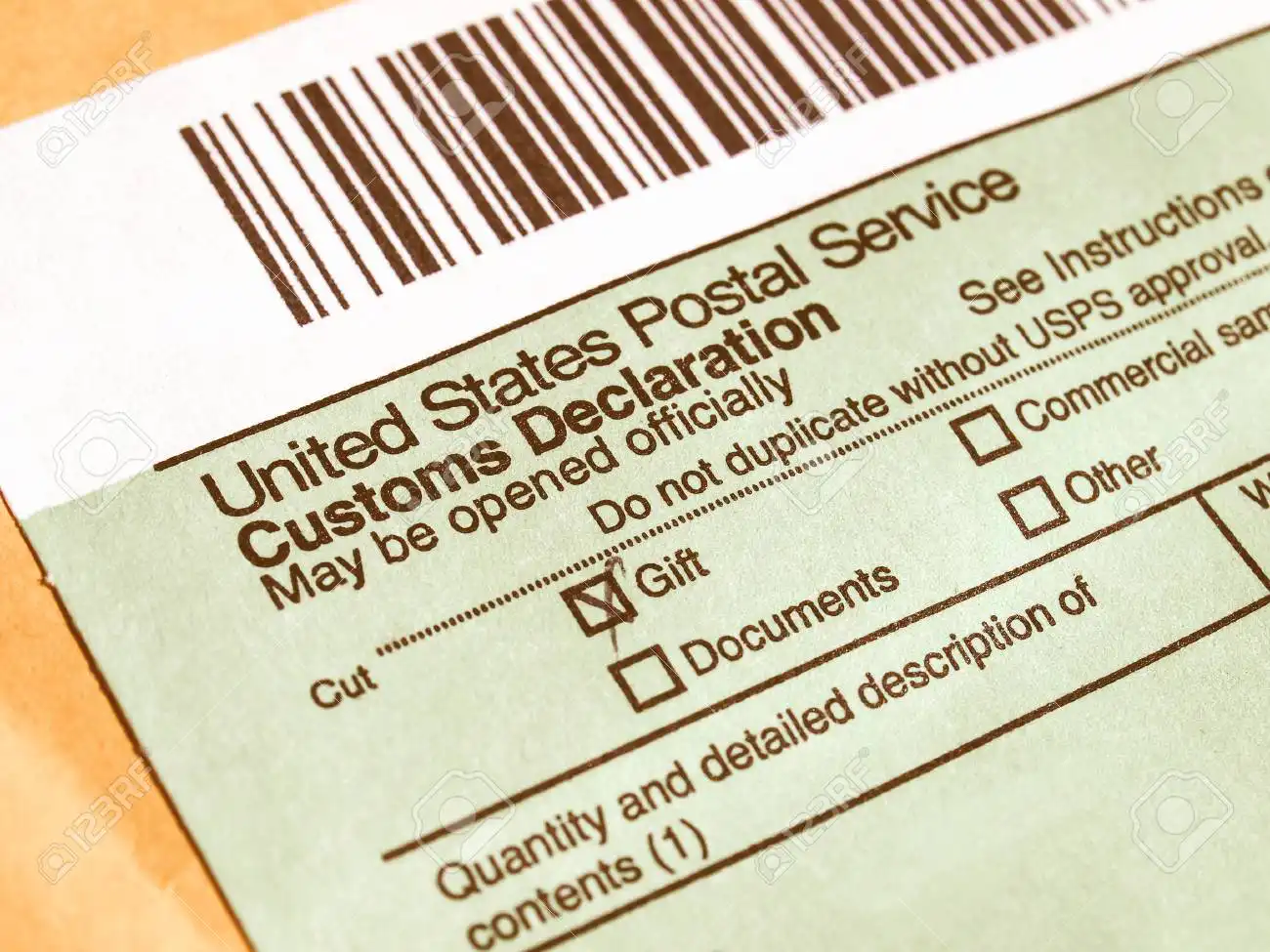

When organizing international shipments, it is essential to properly complete all the necessary documentation. Mistakes or missing documents can lead to delays, fines, or even confiscation of the cargo. In this article, we will review which documents are required for international shipments, their main functions, and tips for correct completion.
Commercial Invoice
A commercial invoice is one of the most important documents during international shipments. It contains details about the seller and buyer, product characteristics, its value, payment, and delivery terms. This document is used to calculate customs duties and taxes, as well as to confirm the value of the cargo. The commercial invoice should include a precise description of the product, its quantity, units of measurement, price per unit, and total value.
Packing List
A packing list contains information about the quantity, weight, volume, and arrangement of the goods in the packaging. It is needed so that customs authorities can verify the cargo’s contents and match it with the details in the commercial invoice. This document helps avoid misunderstandings and facilitates the process of inspecting the goods at customs. The packing list should include the names of all products, their weight and volume, and packaging details.
Transport Bill of Lading
A document that confirms the shipment of the cargo. Depending on the type of transport, there are several types of bills of lading:
- Road Freight Bill of Lading (CMR): Used for transporting goods by road. It confirms the contract between the sender and the carrier and records the terms of transport.
- Railway Bill of Lading (SMGS or CIM): Used for rail transport, it records the route and data of the sender and receiver.
- Air Waybill: Issued during air transport and confirms the transfer of the cargo from the sender to the airline carrier.
- Sea Bill of Lading (Bill of Lading): Used for sea transport and is not only a transport document but also a legal document confirming ownership of the cargo.
Each bill of lading should contain complete information about the goods, terms, and delivery deadlines, as well as the details of the sender, receiver, and carrier.
Certificates of Compliance and Safety
Some goods, such as food products, medical devices, and cosmetics, require certificates confirming their safety and compliance with standards. These certificates can be issued by various bodies depending on the type of goods and the country of departure. They prove that the products have passed necessary checks and are safe for consumption or use. Before shipment, it is crucial to ensure that all necessary certificates are available and valid when crossing the border.
Insurance Policy
Cargo insurance is an important element of international transportation that helps protect both the shipper and the consignee from financial losses in case of damage or loss of goods. The insurance policy typically includes information about covered risks, the insured amount, and compensation conditions. Having an insurance policy may be a mandatory requirement for certain types of transport, and its absence can lead to refusal in customs clearance.
Certificate of Origin
The Certificate of Origin confirms that the product was manufactured in a specific country and may grant customs duty benefits during importation. This document is especially important during trade between countries that have trade agreements reducing customs duties. The Certificate of Origin may be based on a corresponding certificate issued by competent authorities.
Licenses and Permits
Certain types of goods, such as weapons, chemicals, and pharmaceuticals, require special licenses and permits for export or import. These documents confirm that the goods comply with the legal requirements of both the country of origin and the destination. The lack of necessary licenses or permits may result in delays or confiscation of the goods. It is important to check licensing requirements during the planning stage to avoid problems with customs authorities.
Material Safety Data Sheet (MSDS)
A Material Safety Data Sheet (MSDS) is required for transporting hazardous goods. It contains information about the composition of the goods, dangerous properties, transportation and storage conditions, as well as first aid measures in case of an accident. This document is mandatory for the transportation of chemicals and other hazardous materials and must be prepared in an internationally recognized language.
Export Declaration
An export declaration is used to confirm the export of goods from the country and is an obligatory document for customs clearance. The declaration contains information about the product’s name, value, quantity, and data about the sender and recipient. The export declaration must be submitted to customs authorities before the shipment departs and is required to comply with customs procedures.
Tips for Completing Documents for International Shipments
- Check the requirements of the destination country. Each country may have specific requirements for documentation, certificates, and shipment procedures.
- Ensure that all information in the documents matches to avoid delays at customs.
- Keep track of the expiration dates of documents. Some, such as certificates of compliance, have a limited validity period.
- Use a qualified customs broker. A professional broker will help properly complete all documents and minimize risks.
International shipments require careful preparation of a full set of documents. Properly completed paperwork ensures smooth and successful customs clearance and helps avoid unforeseen costs and delays.
FREE CONSULTATION ON IMPORTING GOODS FROM CHINA
Contact us via Telegram or fill out the form to receive a free consultation and a detailed cost estimate for your cargo.