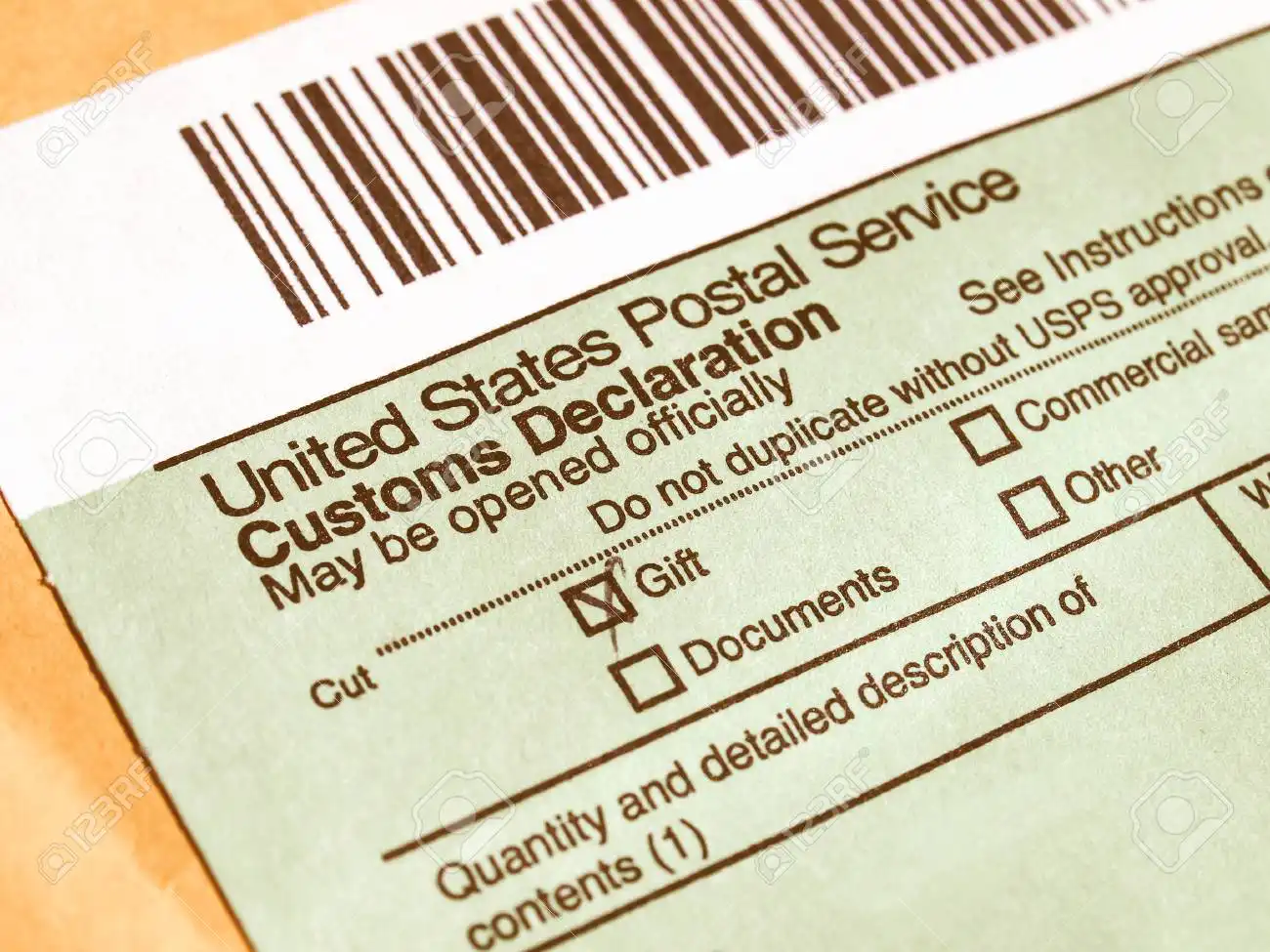

An export declaration is an official document that is drawn up to confirm the export of goods outside the country and is required for customs control. This document plays an important role in international trade, allowing you to track the flow of goods, determine the tax base, and monitor compliance with export requirements. In this article, we will analyze what an export declaration is, what its functions are, and how to properly execute it.
Main functions of the export declaration
The document performs several key functions in the process of customs clearance and transportation of goods:
- Customs control. The declaration serves as the main document for checking goods leaving the country. Based on it, the customs authorities can trace the origin of the cargo, its value and destination, as well as make sure that the goods comply with legal requirements.
- Control over taxes and duties. It is used to calculate and control taxes and duties related to exports. It helps government agencies determine the value of goods subject to taxation and compliance with tariff requirements.
- Statistical accounting. Data from export declarations allow the government to track the volume and direction of exports, which helps to shape economic policy and understand foreign trade flows.
Contents of the export declaration
The paper must contain the following mandatory data:
- Indication of the sender and recipient. Information about the exporting company and the company receiving the cargo in the country of destination: legal names, addresses, and contact information.
- Description of the goods. The declaration describes in detail the names of the goods, their characteristics, quantity, and units of measurement.
- The cost of the goods. The total value of the cargo is indicated, as well as the cost per unit, which allows the customs authorities to determine the tax base.
- HS code. Each product is assigned a code of the Commodity Nomenclature of Foreign Economic Activity (CN FEA), which is used to classify and determine duties.
- Country of origin and destination. Countries of origin and destination are indicated. This information is important for the application of tariff and non-tariff measures.
- Terms of delivery. Delivery terms according to Incoterms standards, for example, FOB, CIF, which determine the distribution of risks and costs between the seller and the buyer.
- Transportation data. Information about the type of transport, flight or vessel number, and place of departure and arrival of the goods.
The process of filling out an export declaration
An export declaration is filed electronically through specialized customs systems or portals, such as the Single Window for Exporters in a number of countries. The process of filing a declaration includes several stages:
- Preparation of documents. Gathering all the necessary paperwork, including a commercial invoice, packing list, certificates of conformity, and licenses, if applicable. These documents serve as the basis for filling out the declaration.
- Filling in the data. All data about the cargo, the sender and the recipient, as well as the terms and cost of delivery are entered into the electronic system. At this stage, it is important to check the accuracy of the data entered to avoid errors and delays at customs.
- Payment of duties and fees. Some goods are subject to export duties or fees. If such payments are required, they must be paid before submitting the declaration.
- Sending the declaration for verification. The completed declaration is sent to the customs authorities for verification. If the inspection is successful, a permit for the export of goods is issued.
Basic requirements for filling out an export declaration
When preparing an export declaration, it is important to comply with several mandatory requirements:
- Data accuracy. All information in the declaration must exactly match the information in the commercial invoice, packing list, and other supporting documents.
- Compliance with the deadlines. The export declaration must be submitted to the customs authorities before the goods are shipped abroad. Timely submission is one of the important factors in avoiding fines and delays.
- Compliance with codes and classifications. Incorrect indication of the HS code or incorrect description of the goods can lead to erroneous taxation or refusal to export.
- Accounting for restrictions and licenses. Certain categories of goods may require export licenses or certificates. The need to obtain them should be checked in advance.
Responsibility for correct registration
The sender is responsible for the accuracy and completeness of the data in the export declaration. Imposing fines, seizure of goods, or even a ban on export are possible consequences of incorrect registration. To avoid inaccuracies, many companies use the services of customs brokers who have experience in filling out export documentation and can ensure compliance with all legal requirements.
Frequently asked questions
Can I change the data after submitting the declaration?
In case of errors or the need to make changes, you can submit corrections, but this may delay the processing process, so it is recommended to carefully check the data before submitting.
Is an export declaration required for all goods?
In most cases, an export declaration is required for any goods exported abroad. However, some small shipments or samples may be subject to simplified procedures.
An export declaration is an important document on which the success of a company’s foreign economic activity depends. Correct and timely execution of this document helps to avoid delays at customs, fines and other unpleasant consequences.
FREE CONSULTATION ON IMPORTING GOODS FROM CHINA
Contact us via Telegram or fill out the form to receive a free consultation and a detailed cost estimate for your cargo.